
Chairman Caine talks cislunar ops, plus a window into next-gen airlift
We discuss top news from the final day of AFA 2026.
We discuss top news from the final day of AFA 2026.

SPACECOM also is focusing on developing the baseline capabilities, such as space domain awareness and satellite communications, to undertake cislunar operations, said Gen. Stephen Whiting.


Army vehicles like Bradley need greater power at the sprocket for speed, braking, and manueverability.
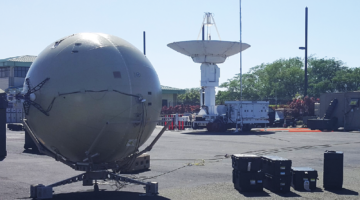
The Space Warfighting Environment 2040 is unique because it "was deliberately written to be warfighter-first, not technology-first," an official at SPACECOM's Joint Forces Development and Training team told Breaking Defense.
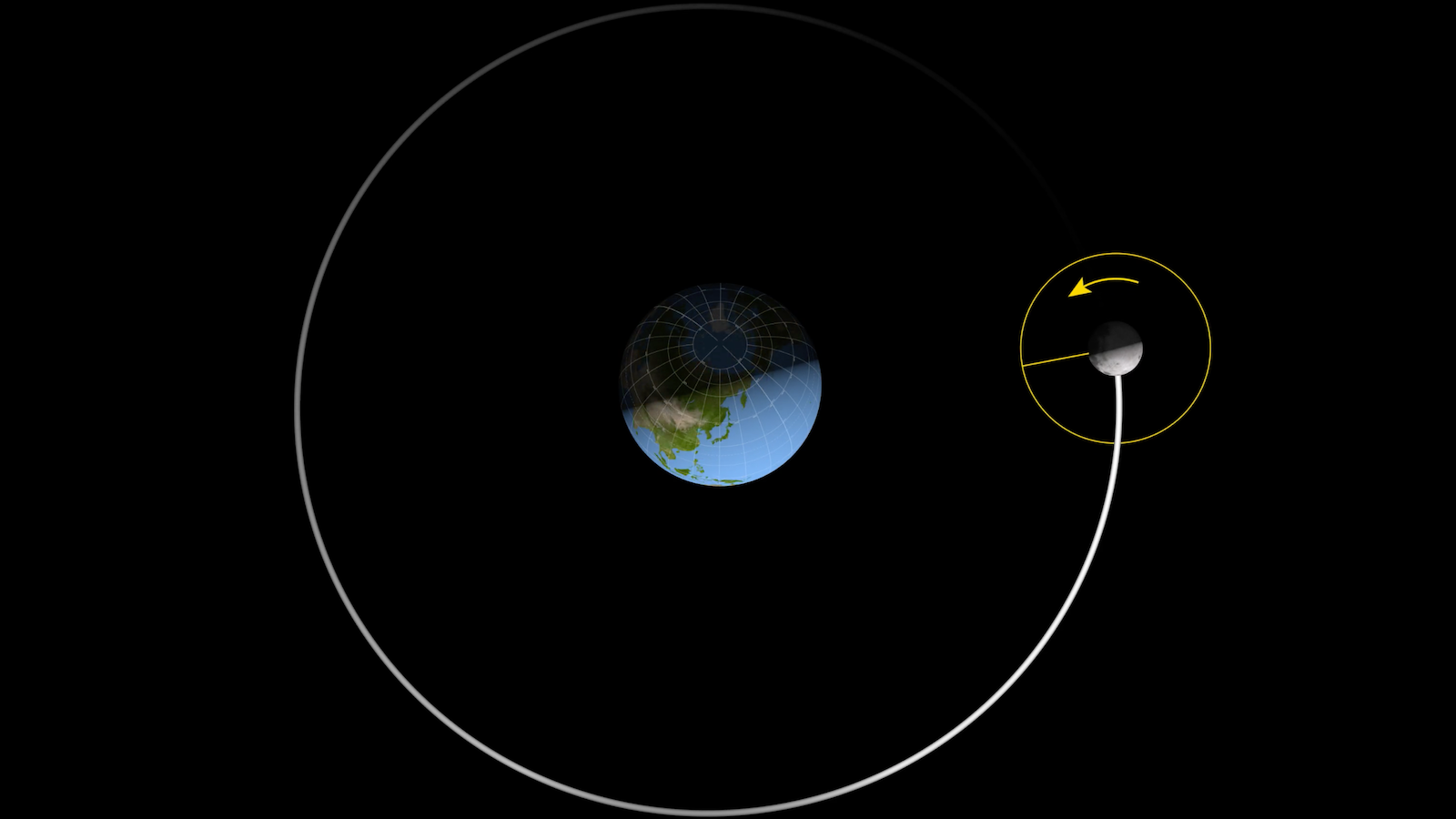
An analyst called the new commitment to pursue cislunar operations a "massive policy change" for the Pentagon.
The former NASA administrator still has eyes for the moon, but is now focusing on possible future Space Force operations in cislunar space.

Meanwhile, the Air Force Research Laboratory is gearing up to launch its experimental cislunar monitoring satellite, called Oracle Prime, next year.


A commitment to long-term operational value.

The Space Force is "serious" about integrating cislunar capabilities, with plans to work closely with NASA and the Air Force Research Laboratory on new tech, Tom Ainsworth, Air Force space acquisition officer, said today.

The move widens Intuitive Machines' past focus on the Moon to the space market closer to Earth.

DRACO began life in 2020 with the moniker "Reactor on a Rocket," or ROAR — a name agency scientists later decided might garner negative attention.
The Space Force is interested in DRACO primarily as an option for allowing it to undertake rapid on-orbit maneuvers, but also for potential future missions out to the Moon, Mars and beyond.


As threats continue to evolve, speed will increasingly depend on what is already available when the need emerges.

New Delhi's adherence to the accords represents a boost to US efforts to rally allies to help counter China's expansion of its own civil and military space activities, as well as Beijing's use of space as a soft-power tool on the global stage.
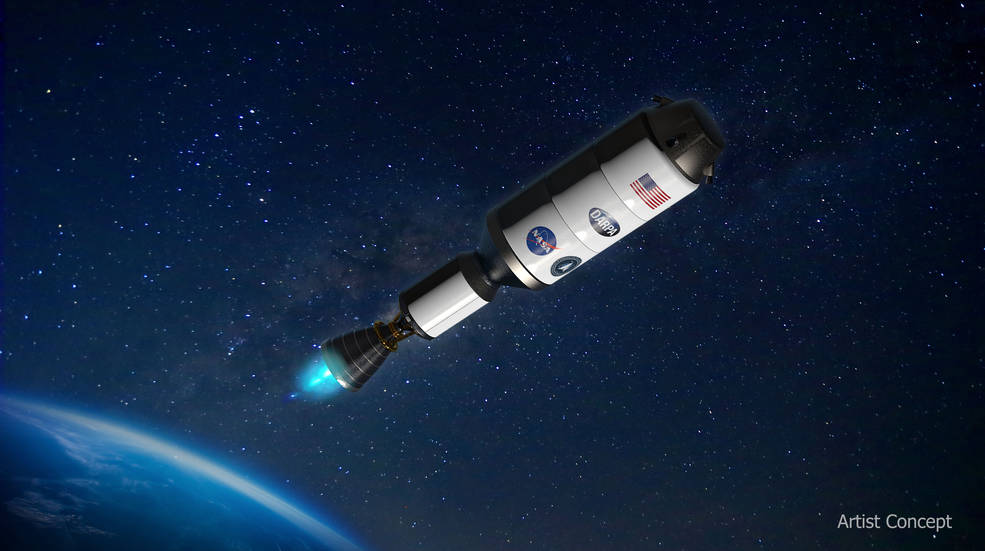
"When people like to question the validity or usefulness of this engine, I point them to Wernher von Braun," said Tabitha Dodson, DRACO program manager at DARPA, "because this was more or less his idea."

The second moon race is on, and the US needs better eyes in the sky and coordination on the ground, writes Mike Rogers Center for Intelligence & Global Affairs Director Joshua Huminski.
Space Force has established the new 19th Space Defense Squadron to monitor what officials now refer to as "xGEO" space.